Gujarati Book-Gujarati PDF Books- Gujarati E-book-online-Free to read or Download Ramayan-Gujarati સંક્ષિપ્ત માં ભાવાર્થ રામાયણ. Ramayana book in gujarati pdf download. Gujarati Book-Gujarati PDF Books- Gujarati E-book-online-Free to read or Download. ગીતા રહસ્ય-Gnaneshavari Gita Rahasya રામાયણ રહસ્ય-Ramayan Rahasya ગીતા સાર-Gita Saar ગીતા-તેના મૂળ રૂપે-Gita As it Is અષ્ટાવક્ર ગીતા-Ashtavakra Gita. Principal Upanishads and Bhagavad gita by Colonel G.A. Jacob PDF Free E-book Download; RAJA YOGA By Swami Vivekananda PDF Free E-book Download; RAMAYANA By VALMIKI Pdf Free E-Book Download; RAMAYANA retold by C. Rajagopalachari Pdf Free Download; SAUNDARYA LAHARI THE OCEAN OF BEAUTY By shankaracharya PDF Free E-book Download. This Ramayana download is in 4 pdf books - the complete Valmikis sanskrit version. Ramayana download the entire epic work about Rama, Sita and Hanuman. This Ramayana download is in 4 pdf books - the complete Valmikis sanskrit version. 51 Responses to “Ramayana as PDF e-book – The story of King Rama in four volumes”.
| Page Links: | Other Torrents - Comments |
| File Name: | [Request] Gojira - Discography (2000-2012) |
| Download Torrent: | [Request] Gojira - Discography (2000-2012) |
| Description: | Gojira - Discography (2000-2012) INFO: It has always been hard to put a tag on GOJIRA, one of France's most extreme bands the country's musical pallet has ever known. But then again, the band has never really sought out such a tag, instead letting the music do the talking, preferring introspection and intelligence over preconceived notions and preexisting tags. Ever since the 1996 formation in town of Bayonne in the southwest of France, GOJIRA has been an ever-evolving experiment in extreme metal ultimately built upon a worldly, ever-conscious outlook with roots firmly-planted both in the hippie movement and an environmentally-conscious, new age mentality. This time, with The Way of All Flesh, GOJIRA harnesses a spiritual consciousness as well, but still culminates in a sound wholly heavy. Originally dubbed Godzilla, after the scaly, green film star with an equally huge reputation as the newfound band's sound, the brothers Duplantier - guitarist/vocalist Joe and drummer Mario - and fellow Frenchmen Jean Michel Labadie on bass and Christian Andreu on guitar, quickly released several demos, ultimately changing the band's name and independently releasing the first GOJIRA album, Terra Incognita, in 2001, offering up a brief glimpse into the giant GOJIRA would eventually become through persistent hard work and years of toiling in the metal underground. After the 2003 release of the band's follow-up, The Link, throughout Europe and the subsequent live DVD release the next year, of the aptly-titled The Link Alive, 2005 brought the release of From Mars To Sirius, the band's breakthrough release, garnering high praise and a North American release through Prosthetic Records in 2006. Fans of not only heavy, extreme music took notice, but so did the intellectual world, thanks to Sirius' thoughtful and expansive inner examination of the world at hand and the consequences of humanity's struggle to coexist without harm. The metal world was amused and amazed: much of it hadn't yet seen an equally intelligent and pummelingly heavy release that was as expansive and open as it was dense and concise. Following the immense praise of From Mars To Sirius and recurring trips across the Atlantic for North American touring alongside the likes of Lamb of God, Children of Bodom, and Behemoth among others, GOJIRA established its stranglehold on the extreme metal spectrum with a linguist's touch, a lyricist's finesse, and a crushingly heavy live show that left audiences astounded, establishing the band's live performance as a spot-on recreation of the band's increasingly adept and intelligent studio output. While 2007 wrapped with GOJIRA again touring North America on the Radio Rebellion Tour alongside Behemoth to the best reaction yet, the dawn of 2008 saw a nearly 10 month wait for while the band assembled The Way of All Flesh, one of the year's most anticipated records. This time revolving around the undeniable dilemma of a mortal demise, GOJIRA's soundtrack to the situation seems fitting. Shifting ever-so-slightly from the eco-friendly orchestra of impending doom on From Mars To Sirius to the band's new message of the equally uncontrollable inevitability of death, The Way of All Flesh melds the open and airy progressive passages GOJIRA has become famous for with the sonically dense sounds and bludgeoningly heavy rhythms that makes the band an equally intelligent force as it is unmatchably heavy. Featuring a guest vocal spot on 'Adoration For None' from Lamb of God's Randy Blythe - one of GOJIRA's most vocal supporters from their first moment making an impression in the Americas - and the now familiar Morbid Angel-isms of The Way Of All Flesh's title track join the angular riffing more akin to Meshuggah on 'Esoteric Surgery' and the epic, artful plodding of the nearly 10-minute 'The Art of Dying,' showing that GOJIRA have indeed opened a new bag of tricks for The Way Of All Flesh, while not abandoning the sound that first showed a massive promise of potential on Sirius. 'It's more inventive than From Mars To Sirius and at the same time more straight to the point,' GOJIRA frontman Joe Duplantier says of The Way of All Flesh. 'The whole album is about death, death is like a step on the path of the soul. The mystery surrounding this phenomenon is just so inspiring, and death is the most common thing on earth.' 'This album is also a 'requiem' for our planet,' Duplantier continues. 'We don't want to be negative or cynical about the fate of humanity, but the situation on Earth is growing critical, and the way humans behave is so catastrophic that we really need to express our exasperation about it. It's not fear, but anger. But we still believe that consciousness can make a difference and that we can change things as human beings.' Gojira‘s brand of environmentally conscious progressive metal has certainly earned them some friends in high places. But while metal’s elite have taken them under their wing in recent years; the bands ideals have remained as unwavering as their predilection to taking chances. While “L’Enfant Sauvage” maintains this free spirit; it thankfully shies away from the bigger risks (here’s looking at you “A Sight To Behold“) that have cropped up on past releases. Throughout the course of this album the group sound like an earthier Meshuggah with subtle hallmarks from the Mastodon and Cynic playbooks. A hulking sonic behemoth that favors complex monolithic ferocity over exploring psychedelically altered states. This sense of surefooted force not only permeates the effort, but also gives it immeasurable weight. In turn, despite the continued polyrhythmic cacophony, the dense rhythmic pummel and exacting low end guarantee that the band are left tilling instead of taking off. So firmly is Gojira‘s songwriting formula anchored by its own mass, that the searing guitar work and robust vocals feel more like whirring appendages. Such heft would likely render most bands output as deadweight; but Gojira instead capitalize on the situation through some clever, if not exactly all that varied, songwriting. Whether led by bellowing rage or slightly off-kilter melodies, the group fully commit themselves to their cause. This steely resolve greatly compliments the brainy nature of the lengthy songs on hand. The only real complaint that one could level against “L’Enfant Sauvage” is that it is perhaps a bit too comfortable in its aggression. The opening track “Explosia” sets the bar impossibly high right out the gate, ending in a devastatingly heavy groove countered by ringing notes right out of Ennio Morricone‘s spaghetti western heyday. Unfortunately that impressive burst of genius pairing is never matched by the rest of the more guarded efforts at branching out. But its inclusion alone is well worth the price of admission, as is the overall quality of rest of the material the band have crafted here. BANDMEMBERS: Joe Duplantier - Vocals & Guitar (Empalot, Cavalera Conspiracy) Christian Andreu - Guitar Jean-Michel Labadie - Bass Mario Duplantier - Drums (Empalot) Discography: 2000. TERRA INCOGNITA (APE) 2003. THE LINK (2005 RE-RELEASE) (FLAC) 2005. FROM MARS TO SIRIUS (APE) 2008. THE WAY OF ALL FLESH (FLAC) 2012. L'Enfant Sauvage (Flac) |
| Genre: | Death |
| Subgenre: | Death / Thrash / Groove Metal |
| Bitrate: | Lossless |
| Size: | 2.16 GB |
| Show/Hide Files: | |
| Added: | 28/10/2012 |
| Peer(s): | Seed(s): 2, Leecher(s): 0 = 2 Peer(s) |
| Last Seed Update | 10/12/2020 09:05:30 |
Gojira have existed for quite a while now. The French quartet formed in 1996 as Godzilla, but in 2001, they changed their name to the rōmaji spelling of the notorious Japanese lizard, that is Gojira. Six full studio albums later, they are considered as one of the leading and most loved bands on the metal scene.
Gojira incorporate progressive elements, unique rhythms and riffs, and uneasy atmosphere, encapsulated around a perplexing motif of melodic heaviness. The band’s latest album, last year’s Magma, was inspired by the death of Duplantier brothers’ mother.
Genre: TECHNO / HOUSE. MP3 FLAC View more. MP3 Release (2) £1.70 Add to crate. Gojira & Planet H feat Stefan Matei – Esteban (Official Video) (2160p25fpsH264-128kbitAAC).mp4.
We took on ranking the band’s six studio albums, and below is what we’ve come up with.
06. Terra Incognita (2001)
While containing many hints of the group’s future and still being both technical and progressive to an extent, Terra Incognita is also a lot more raw and rough around the edges. Songs like “Love” and “Clone” are extremely pummeling numbers and showcase Mario Duplantier‘s double-bass pedal work quite extensively during the heaviest sections. Of course, even early Gojira material isn’t complete without certain soft interludes to balance out the intensity, with sparse bass-driven “04″ and the two “De Tonnes” songs fitting the bill. None of this stuff is really what makes the record as unique as it is, however; what really makes it stand out is just how bizarre and dark the whole vibe is. Perhaps some of this comes from how isolated and slightly murky the production sounds, but it’s also from the weird experiments that are attempted.

For instance, while “Love” is primarily a very heavy death metal song, the intro is this weird chromatic clean guitar segment that sets a different tone for the song entirely. “Blow Me Away You(niverse)” is another good example; while most of the song is your average mid-tempo song (albeit with a large emphasis toward high screams), a complete instrumental freakout comes out of nowhere with atonal guitar playing rushing forth and odd clear vocal harmonies combining with intimidating growls. It’s a frantic change of pace, but one that’s refreshingly in its unpredictability. Moments like these are what really make the album work.
05. The Link (2003)
The Link, released in 2003, seems to be built upon the vast foundation of its predecessors. There are numerous traces of Gorguts’ Obscura in Gojira’s sophomore effort. In “Inward Movement,” for example, Andreu’s guitar screeches are reminiscent of Gorguts’ “The Art of Sombre Ecstacy,” which features similar leaps in pitch. Several pieces from The Link are also graced with the dynamic flexibility of Gorguts’ 1999 classic. The Link is rarely monotonous, and interludes like “Connected” and “Torii” act as breaths of fresh air between each plunge into energetic entries like “Indians” and “Remembrance.” This variation gives the album a sense of maturity that is not otherwise present in the work of Gojira’s contemporaries. While more than a decade has passed since its release, The Link maintains much of its freshness and is worthy of repeated listens despite the band’s more recent, refined efforts.
As an individual piece of art, The Link is creative and varied. In “Indians,” rhythms are quick and restrained, while “Wisdom Comes” moves freely from a blast beat to a sludgy pace. The album is frequently “chuggy” and heavy, but Gojira’s dedication to variations in speed, energy and tone help to revitalize the ears of the listener before it is too late. “Dawn,” though less exciting than The Link’s other entries, is a good example of this versatility. The song is composed of many different riffs, each with interesting fills and transitions. The chugginess lingers for a bit, but rarely overstays its welcome.
Ipa installer online. Gojira‘s style, blending Thrash, Death Metal, Progressive music, Groove Metal, and experimental music, is very different from most of the bands today. The Link captures those elements perfectly, and is quite a step up from their debut.
04. From Mars to Sirius (2005)

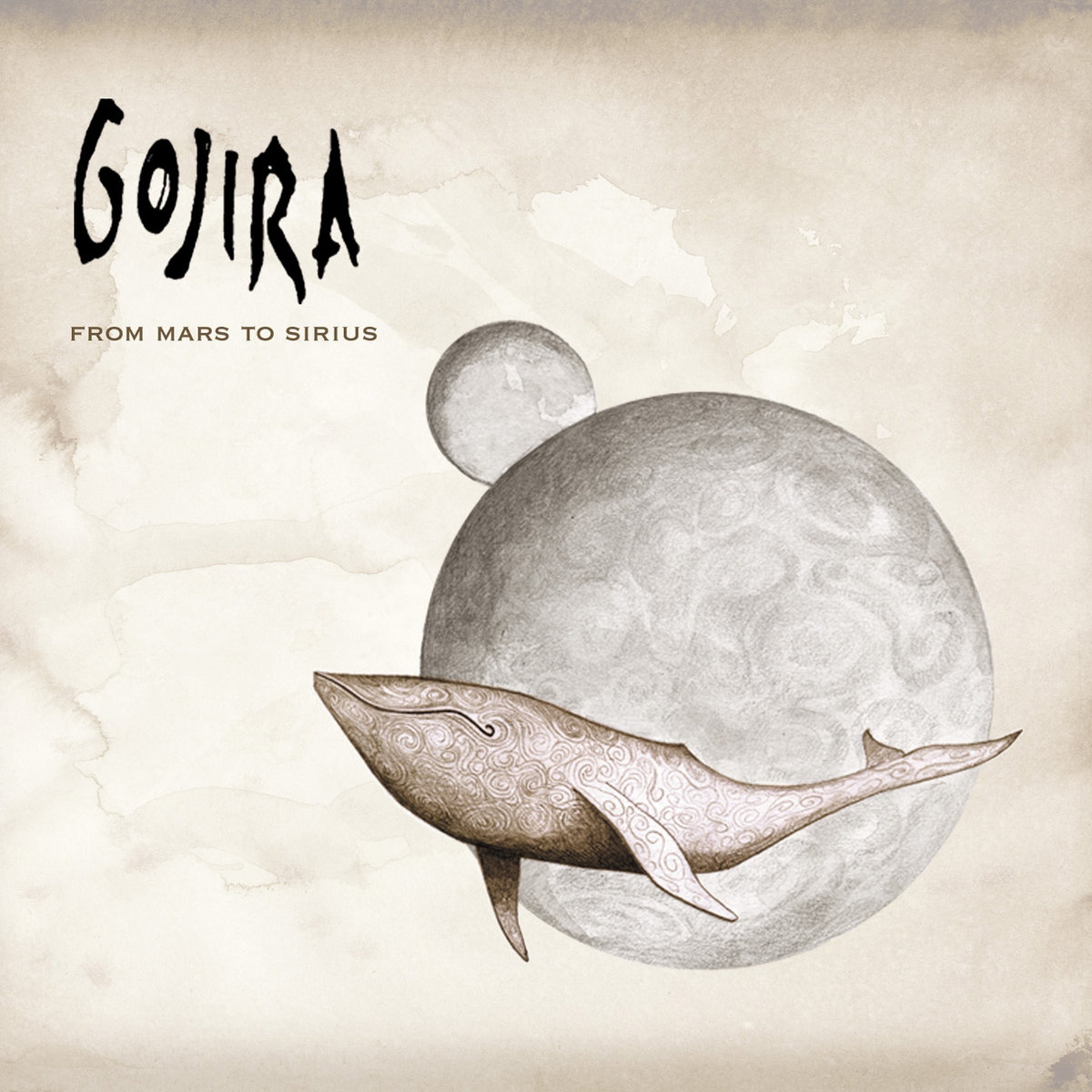
From Mars to Sirius focuses on longer compositions while increasing the guitar distortion and heaviness to the highest degree. Also worth mentioning is this record’s special attention to an environmental message, even going as far as making an album cover that looks eerily similar to the logo of the organization Sea Shepherd, which aims to preserve marine life.
The typical Gojira trademarks are all present; you’ve got the low-tuned chugs, a nice variety of tempos, and melodic guitar lines that cut through the wall of distortion. Unfortunately though, the record also emphasizes one of the band’s trademarks a little too much: the repetition. Repetition can be fine if it’s executed tastefully, but here it just sounds like it was incorporated to fill up the running time. While songs such as the aptly titled “The Heaviest Matter of the Universe” and the simultaneously melodic and harsh opener “Ocean Planet” do an efficient job of trimming the fat, songs like “Global Warming” and especially “Where Dragons Dwell” honestly don’t. The latter is seven minutes long, but while the first half holds a nice sludgy groove with some nice vocal variety, the second half is the same riff repeated… over and over and over and over until it fades out. Other songs are guilty of this as well, and it doesn’t enhance them in any way. There aren’t any subtle changes in the songwriting except for a few different drum fills here and there or some vocal shouts, so there isn’t much to invest in.
03. Magma (2016)
Gojira Fallout New Vegas
Magma has been crafted upon foundations of varying emotions. On the surface you’ve got Gojira simply evolving their hammering sound into more simplistic rhythms, like “Stranded,” while sounding just as heavy as before. But, beneath the surface is a natural ebbing progression that lies deep in the roots of the Mt. Gojira. On “The Cell” and title track you’ve got Mario’s inevitably stellar technicality on drums but it’s the wisps of guitar from Christian Andreu on the title track or Jean-Michel Labadie’s murky bass in the previous song, “Yellow Stone” that boils the intensity towards the special, heated captivation that only Gojira can conjure.
With Magma, the relationship of music and melody is solidified by the sad passing of the Duplantier brothers’ mother in 2015. Compared their brazenly heavy catalogue, this loss has impacted the mood of this album greatly. The intense emotions contort from a slow kindling fire to blazing infernos of rage that characterize the title of the album: something boiling and ready to erupt. The serene intro, “The Shooting Star,” with its longing lyrics of “When you get to the other side, please send a sign” and pensive riffs exemplifies the calmer and reflective side of the album while transitions between imposing vocals and explosive guitar slides on “Pray,” plus the screeching whammy hooks on “Only Pain,” identify the extreme and severe cascade of emotions from the same tragedy. Having been immortalised within this album, Magma feels more like a celebration rather than a mournful eulogy of Patricia Rosa Duplantier.
LG Software, Firmware, & Drivers Download: Optimize your LG devices by downloading the latest drivers and firmware updates. Keep your LG products up-to-date. To properly experience our LG.com website, you will need to use an alternate browser or upgrade to a. Lg nexus drivers windows 7. LG Mobile Drivers and Software. Learn how to use, update, maintain and troubleshoot your LG devices and appliances. To properly experience our LG.com website, you will need to use an alternate browser or upgrade to a newer version of internet Explorer (IE10 or greater).
02. L’Enfant Sauvage (2012)
What we have here is the band’s sound finally coming together and reaching a peak lyrically and musically. Instrumentally, more variation is brought to the table, with the chunky guitar/bass duo being balanced out with the aforementioned elegance, with an extra-melodic side producing a nice atmospheric flavor. The album also happens to be among the band’s darkness, only rivaled by The Way of All Flesh; correct me if I’m wrong, but the lyrics seem to convey a sense of freedom and its cost in this world. Songs like “Explosia” and “Liquid Fire” certainly seem to put that concept on display.
The “identity” and “heart” are exactly what sets this apart from a lot of the other work Gojira‘s released; it sounds like Gojira have finally found a sound they’re content with, and songs like the reflective “Born in Winter” and the eerie suspenseful “The Gift of Guilt” sound generally more enticing than previous efforts. Much of the reason is that there sounds like a drive and a flow to these songs; more feeling if you will.
01. The Way of All Flesh (2008)
If From Mars to Sirius brought Gojira to the world’s attention, then this album really cemented them as a major force in the metal sphere. Without doubt upping the complexity and increasing the heaviness of the often groove-ridden songs on the preceding album, The Way of All Flesh is a bold and striking statement that didn’t sound like many other bands at the time of its release and still hasn’t been fully picked clean by the wave of technically adept bands spawned by the djent scene.
What made Gojira‘s breakthrough album great was its vast quantity of huge and sometimes unearthly riffs, so it’s necessary to note that the riffing presence fell a notch here to make way for more rhythmic f**kery and experimentation with other sounds. There are moments of certain death metal extremity (“All the Tears” goes almost brutal death in places), moments of kooky electronic guidance (“A Sight to Behold” creeps off on its own sense of melody in the verses), plus the familiar rumble of Mario Duplantier‘s monstrous drumming and Jean-Michel Labadie‘s guttural bass, while the swooping whale noises that made “Ocean Planet” such a memorable opener are still here, though not in the same quantities. There are very few of the huge groove riffs that kept one’s neck busy in From Mars to Sirius, with more time spent on increasingly heavy Meshuggah-style workouts that involve a lot of polyrhythms and weighty crashes of guitar.
As a whole, that means that The Way of All Flesh is Gojira‘s most densely musical album and remains the most difficult to penetrate, even to this day. The longer songs especially go through a lot of development between beginning and end, rarely sticking to strict songwriting formulas unlike some of the shorter songs. There is certainly something progressive in the way that “Oroboros” and “The Way of All Flesh” spend their time, but it is “The Art of Dying” that really shows what Gojira were once capable of in terms of structuring the movement of their music. The tribal build-up is kept short but generates a potent sense of expectation, while the clatter of percussion and some excellent riffs dominate the first half, surprising the listener with spontaneity and sudden twists that rarely happen in a song that stretches to ten minutes. Some verses are repeated with variations thrown in, so there’s a lot to attend to until the song breaks and a majestic riff attends the song to the calm waters of some ambient sounds, making the whole process mirror the subject (this is about the art of dying if you’ve forgotten) and come full circle. However, following that, “Esoteric Surgery” crashes in with the full weight of an almighty groove death riff and you soon become lost in pure enjoyment once again.
Gojira Facebook
The Way of All Flesh eclipses it in terms of creativity, songwriting, and thoughtfulness, if not on grounds of pure enjoyment.